See and do
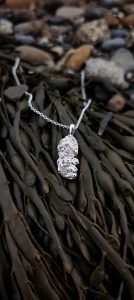
Jess Macdonald Brass Jewellery - Blackwaterfoot
Scottish Crafts & Gifts
Jess MacDonald Brass jewellery is an exploration and tribute to our natural world.
03 The Arran
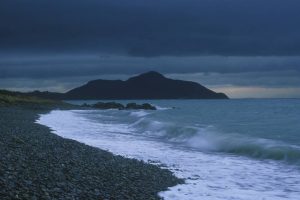
Holy Isle - Arran
Islands
The Holy Isle (Scottish Gaelic: Eilean MoLaise) is one of a number of islands in the United Kingdom which go under the name "Holy Island".
03 The Arran
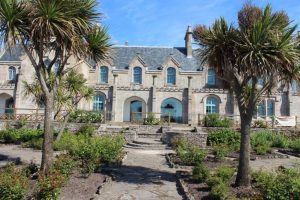
Garrison House - Millport
History & Heritage
This striking Gothic building, is now home to the Museum of the Cumbraes and the Garrison House Café, as well as the local library and council offices.
04 The Bute
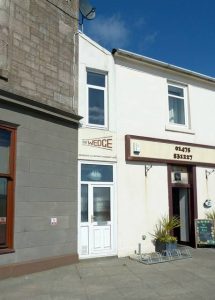
The Wedge - Isle of Cumbrae
History & Heritage
The Wedge is said to be the world's narrowest house.
04 The Bute

St. John's Tower - Ayr
History & Heritage
The tower is all that remain of this church dedicated to St. John the Baptist
04 The Bute

Trinity Church & Hub - Irvine
History & Heritage
Trinity Church was designed by Edinburgh architect Frederick Thomas Pilkington in 1863
04 The Bute

Isle of Arran Heritage Museum - Isle of Arran
Arts & Culture
The Museum reflects the social history, archaeology and geology of Arran and her people. This wee gem is on the main road, at Rosaburn, just north of Brodick.
03 The Arran
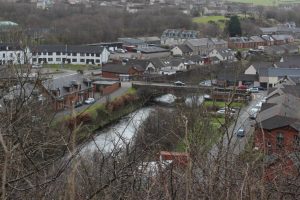
Catrine - Ayrshire
Towns & Villages
Catrine is a village that lies beside the River Ayr in East Ayrshire.
04 The Bute

Arran Brewery - Brodick
Distilleries & Breweries
A small, independent brewery, who has been producing award winning real ales on the island since 2000.
03 The Arran

Rothesay - Bute
Towns & Villages
Rothesay is a smart Victorian seaside resort and the main town on the east side of Isle of Bute.
04 The Bute

Irvine Townhouse - Irvine
Arts & Culture
Irvine Townhouse once housed the North Ayrshire district court and general administration for the council.
04 The Bute

Greenock - Inverclyde
Towns & Villages
Greenock is a town in in the Inverclyde area in Scotland and a former burgh within the historic county of Renfrewshire.
04 The Bute

St Ninians Point and Chapel Well - Bute
History & Heritage
The monument consists of the remains of a chapel and surrounding enclosure, which replaced an earlier burial ground.
04 The Bute

Kilwinning Abbey Tower Heritage Centre - Kilwinning
History & Heritage
Located inside the clock tower of Kilwinning Abbey, this heritage centre contains information and artefacts of interest about the history of Kilwinning
04 The Bute
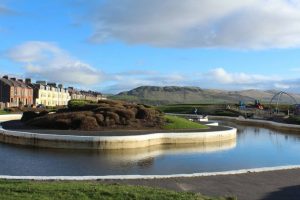
Girvan - Ayrshire
Towns & Villages
Girvan is a large town situated in South Ayrshire and is a popular visitor destination.