See and do
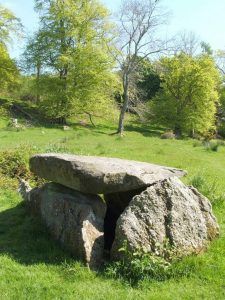
Haylie Chambered Tomb - Largs
History & Heritage
These neolithic tombs were discovered by James Wilson of Haylie in 1772, and can be found in Largs' Douglas Park
04 The Bute

Machrie Moor Stone Circle - Isle of Arran
History & Heritage
Explore a Neolithic centre of ritual and domestic activity, scattered across a lonely moorland.
03 The Arran
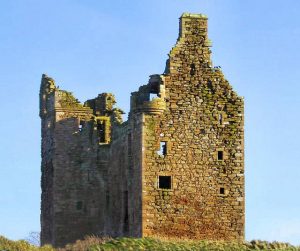
Baltersan Castle - Maybole
History & Heritage
Statuesque ruined 16th-century tower-house castle overlooking the Firth of Clyde
04 The Bute

Lady Isle - Troon
Islands
Lady Isle is a small, uninhabited island, in the Firth of Clyde
04 The Bute
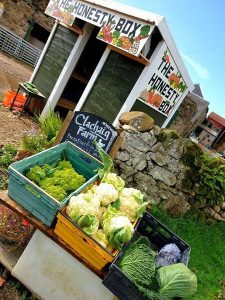
The Honesty Box - Kilmory
Fresh Scottish Produce
We believe in providing fresh, tasty, seasonal ‘real’ food grown locally in a sustainable way.
03 The Arran
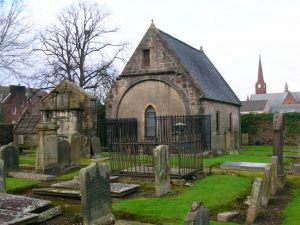
Skelmorlie Aisle - Ayrshire
History & Heritage
The Skelmorlie Aisle of Largs Old Kirk is the remains of a church in the town of Largs, North Ayrshire.
04 The Bute
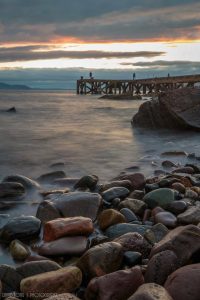
The Lady Margaret - West Kilbride
History & Heritage
The Lady Margaret, foundered at Portencross on her maiden voyage in 1770, all recovered artefacts are on display in the West Kilbride Museum
04 The Bute

Aucheleffan Standing Stones - Arran
History & Heritage
This site is located within the South Arran Forest.
03 The Arran

Barr - Ayrshire
Towns & Villages
Barr is a small village in the South West of Ayrshire, around 8 miles from the town of Girvan.
04 The Bute

Dundonald - Ayrshire
Towns & Villages
The village of Dundonald lies west of Kilmarknock in South Ayrshire.
04 The Bute

Dunlop - Ayrshire
Towns & Villages
Dunlop is a village and parish in East Ayrshire, 7 miles from Kilmarnock.
04 The Bute
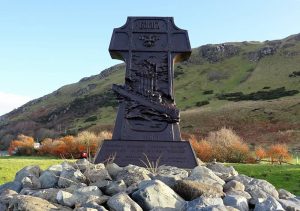
Varyag Monument - Girvan
History & Heritage
A monument commemorating the final resting place of the Russian cruising vessel, the Varyag, which ran aground off the Ayrshire coast
04 The Bute
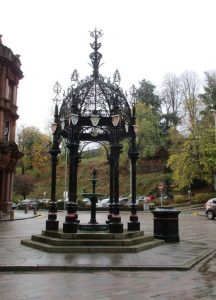
Lyle Fountain - Greenock
History & Heritage
Historic drinking fountain and now a local landmark
04 The Bute

Portencross Castle - West Kilbride
History & Heritage
Portencross Castle two miles from West Kilbride. http://www.portencrosscastle.org.uk Open 11- 4 weekends, bank & school hols, Easter to end Sept. Free entry.
04 The Bute
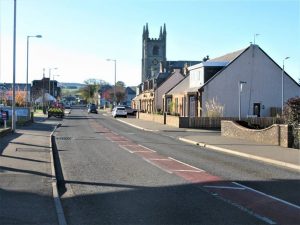
New Cumnock - Ayr
Towns & Villages
New Cumnock is a former mining town in East Ayrshire. It expanded during the 18th century; mining remained its main industry until pits closed in the 1960s.