See and do

Hunterston Castle - West Kilbride
History & Heritage
We welcome guests to visit the stunning Hunterston Castle, which is one in a chain of medieval of castles, built back in the 15th/16th century.
04 The Bute

St Colmon Parish Church and Churchyard - Colmonell
History & Heritage
At least three Churches have existed on this site since around 1179 and there are records of Ministers recorded as far back as the 1400s.
04 The Bute

Isle of Arran Heritage Museum - Isle of Arran
Arts & Culture
The Museum reflects the social history, archaeology and geology of Arran and her people. This wee gem is on the main road, at Rosaburn, just north of Brodick.
03 The Arran

Greenan Castle - Ayr
History & Heritage
The ruins of majestic 16th-century Greenan Castle guard the cliffs of south-west Ayr, overlooking the Firth of Clyde
04 The Bute
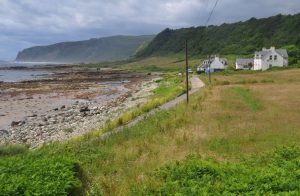
Kildonan - Isle of Arran
Towns & Villages
Kildonan is a small village situated on the southern coast of Arran. Its main attractions include Kildonan Beach and castle ruins.
03 The Arran
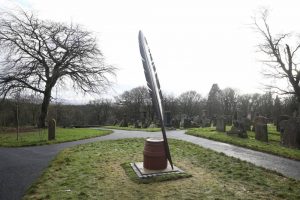
The Boswell Quill - East Ayrshire
History & Heritage
The Boswell Quill is situated in Auchinleck’s historic churchyard and celebrates writer James Boswell, the inventor of modern biography.
04 The Bute

Auld Kirk of Ayr - Ayr
History & Heritage
The Auld Kirk of Ayr has been a centre of worship in the town of Ayr for over 800 years
04 The Bute

Glasgow Vennel - Irvine
History & Heritage
This important thoroughfare road was originally known as Smiddy or Smithy Bar.
04 The Bute
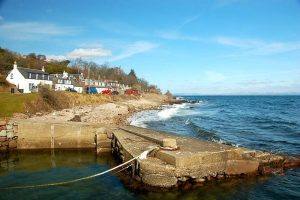
Corrie - Isle of Arran
Towns & Villages
Corrie is a village on the north east coast of the Isle of Arran in Scotland, 6 miles north of Brodick
03 The Arran

St. John's Tower - Ayr
History & Heritage
The tower is all that remain of this church dedicated to St. John the Baptist
04 The Bute

St Mary's Chapel - Isle of Bute
History & Heritage
St Mary’s Chapel was built near Rothesay as the second parish church on the island, after St Blane’s in the south. It can be dated to approximately 1320.
04 The Bute

Kingarth - Bute
Towns & Villages
Kingarth is a historic village and parish on the Isle of Bute, off the coast of south-western Scotland.
04 The Bute
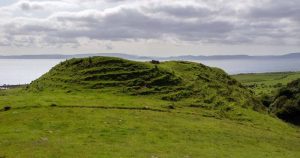
Torr a’Chaisteal Dun - Isle of Arran
History & Heritage
Torr a’Chaisteal Dun dates back to the Iron Age, lying about a mile from Sliddery on the Isle of Arran.
03 The Arran

Glenashdale Falls - Isle of Arran
History & Heritage
This stunning waterfall at the Glenashdale Burn is also known by its gaelic name, Eas a’ Chrannaig.
03 The Arran

Blackwaterfoot - Isle of Arran
Towns & Villages
Blackwaterfoot is a village on the South West of the Isle of Arran.