See and do
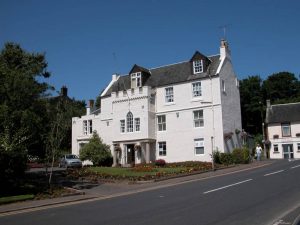
Kirktonhall - West Kilbride
History & Heritage
Kirktonhall, is one of the oldest buildings in West Kilbride, built in 1660 it is the birthplace of Robert Simson (1687)
04 The Bute

Fairlie - Ayrshire
Towns & Villages
Fairlie is a small village in North Ayrshire, around 3 miles from Largs
04 The Bute

West Kilbride Village Hall - West Kilbride
Indoor Activities
The Village Hall, originally built in 1900, is a focal point for the community
04 The Bute

Burns Bachelors' Club - South Ayrshire
History & Heritage
Beloved Scottish bard Robert Burns learned to dance and debate in this authentically restored house
04 The Bute

Darvel - Ayrshire
Towns & Villages
Darvel is a small town in East Ayrshire, on the right bank of the River Irvine.
04 The Bute

Torrylin Cairn - Isle of Arran
History & Heritage
Torrylin Cairn was a place of ritual and burial over 1000 years ago
03 The Arran
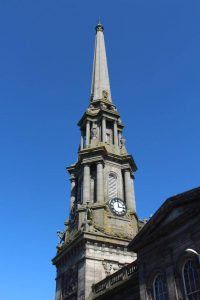

Barrfields Theatre - Largs
Indoor Activities
One of Scotland's most significant entertainment venues and the last fully operational seaside pavilion theatre in the country
04 The Bute

Saltwater Gallery - Brodick
Scottish Crafts & Gifts
The new Saltwater Gallery lies in the picturesque cluster of buildings known as 'Cladach' on the Isle of Arran.
03 The Arran

Rothesay Castle - Isle of Bute
History & Heritage
The ruins of Rothesay Castle boast a long and close connection to the Stewart dynasty
04 The Bute

Kerelaw Castle -
History & Heritage
Kerelaw Castle is a castle ruin situated in Stevenston on the coast of North Ayrshire
04 The Bute

Dalrymple - Ayrshire
Towns & Villages
The village of Dalrymple lies in the Doon Valley, on the north bank of the River Doon in East Ayrshire.
04 The Bute

Saltcoats - North Ayrshire
Towns & Villages
The small town of Saltcoats lies in North Ayrshire, on the west coast of Scotland
04 The Bute
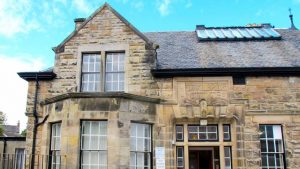
West Kilbride Museum - West Kilbride
History & Heritage
MGS Accredited, situated in the Village Hall, Arthur Street. A varied collection of artefacts on display reflecting the local history/heritage.
04 The Bute

Souter Johnnies Cottage - Kirkoswald
History & Heritage
Visit Souter Johnnie's Cottage and experience 18th-century life