See and do
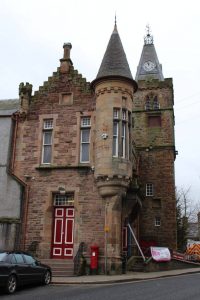
Maybole Castle - Ayrshire
History & Heritage
The formidable-looking Maybole Castle is a four-storey garret tower in the Ayrshire town of Maybole.
04 The Bute
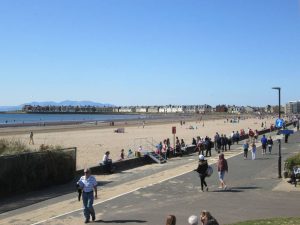
Troon - Troon
Towns & Villages
Troon is an attractive seaside town, a few miles from Prestwick International Airport in South Ayrshire.
04 The Bute

Dunure Castle - Ayr
History & Heritage
Dunure Castle is located on the west coast of Scotland, in South Ayrshire, about 5 miles south of Ayr and close to the village of Dunure
04 The Bute

Kirkoswald - Ayrshire
Towns & Villages
Kirkoswald is a small but picturesque village in South Ayrshire, located 4 miles south west of Maybole.
04 The Bute

Heather Lodge - Isle of Arran
Indoor Activities
Heather Lodge, holistic therapy centre.
03 The Arran


Little Cumbrae - Cumbrae
Islands
Little Cumbrae Island is an island in the Firth of Clyde
04 The Bute

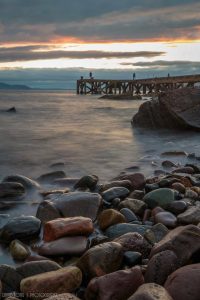
The Lady Margaret - West Kilbride
History & Heritage
The Lady Margaret, foundered at Portencross on her maiden voyage in 1770, all recovered artefacts are on display in the West Kilbride Museum
04 The Bute

Seagate Castle - Irvine
History & Heritage
Seagate Castle is a castle in North Ayrshire, in the town of Irvine, close to the River Irvine
04 The Bute
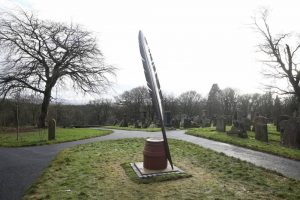
The Boswell Quill - East Ayrshire
History & Heritage
The Boswell Quill is situated in Auchinleck’s historic churchyard and celebrates writer James Boswell, the inventor of modern biography.
04 The Bute

Kames Castle - Bute
History & Heritage
Kames Castle is located on the shore of Kames Bay near Port Bannatyne.
04 The Bute

Portencross - West Kilbride
Towns & Villages
Portencross is a hamlet near Farland Head in North Ayrshire, overlooking the Firth of Clyde.
04 The Bute
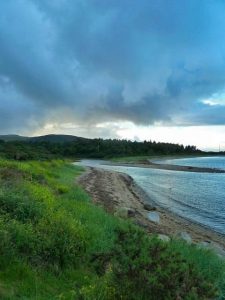
Sannox Bay - Sannox
Beaches
Sannox Bay is a small but tranquil beach in the small village of Sannox on the North West of Arran.
03 The Arran
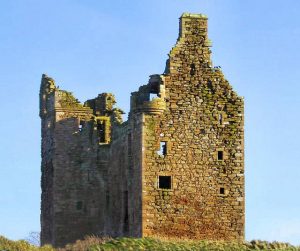
Baltersan Castle - Maybole
History & Heritage
Statuesque ruined 16th-century tower-house castle overlooking the Firth of Clyde